School Holiday Tennis Camps in Pagewood: What to Expect at Mutch Park
Thinking about a school holiday tennis camp for your child? Here's what a day at Mutch Park actually looks like, from full-day vs half-day options to the separate advanced camp for competitive kids.
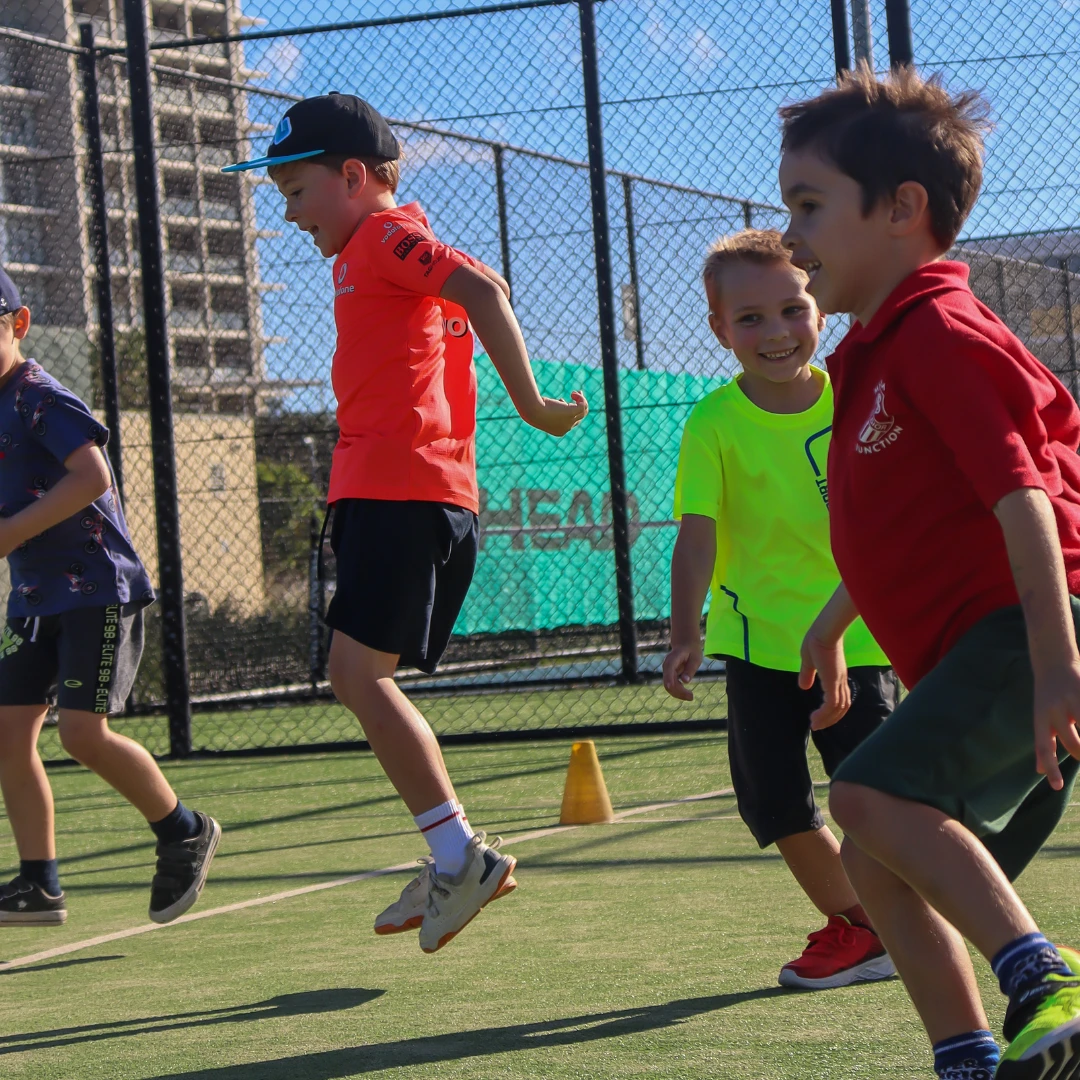
If you're weighing up a school holiday tennis camp at Mutch Park for the first time, the questions are usually less about tennis and more about logistics: what age is it actually suitable for, what does a full day look like, and what do you need to pack. Here's a straight answer to all of it, from a team that runs these camps every school holiday period. If you're still deciding whether tennis is worth pursuing for your child at all, our piece on the benefits of tennis for kids covers the bigger picture.
The Short Answer: What Camp at Mutch Park Actually Involves
Mutch Park runs school holiday tennis camps for children of all ability levels, with coaching delivered by qualified coaches across the same Hot Shots stage system used in term-time classes. Camps are offered in both full-day and half-day formats, with before and after care available for families who need earlier drop-off or later pickup. A racquet is provided if your child doesn't have one, and the week typically builds toward a fun, low-pressure round-robin on the final day rather than serious competition. For competitive players aged 12 and over, a separate Advanced Squad Camp runs alongside the standard camp with a sharper focus on match play.
Who Holiday Camps Are For
The standard school holiday camp is open to children across a broad age and ability range, from complete beginners through to more experienced junior players, with coaching grouped and scaled the same way Hot Shots term classes are (by stage rather than strictly by age, so a confident younger player and a newer older player can both be coached at the right level in the same week). This makes it a reasonable option whether your child has never picked up a racquet or already plays Hot Shots most weeks and wants to keep active over the break. If you're still working out when your child should start tennis in the first place, our guide on what age kids should start tennis is a good place to check first.
If your child is already playing at a squad or representative level and wants a week that pushes match play, tactics and competitive conditioning specifically, the Advanced Squad Camp is the better fit; see the dedicated section below.
What a Typical Camp Day Looks Like
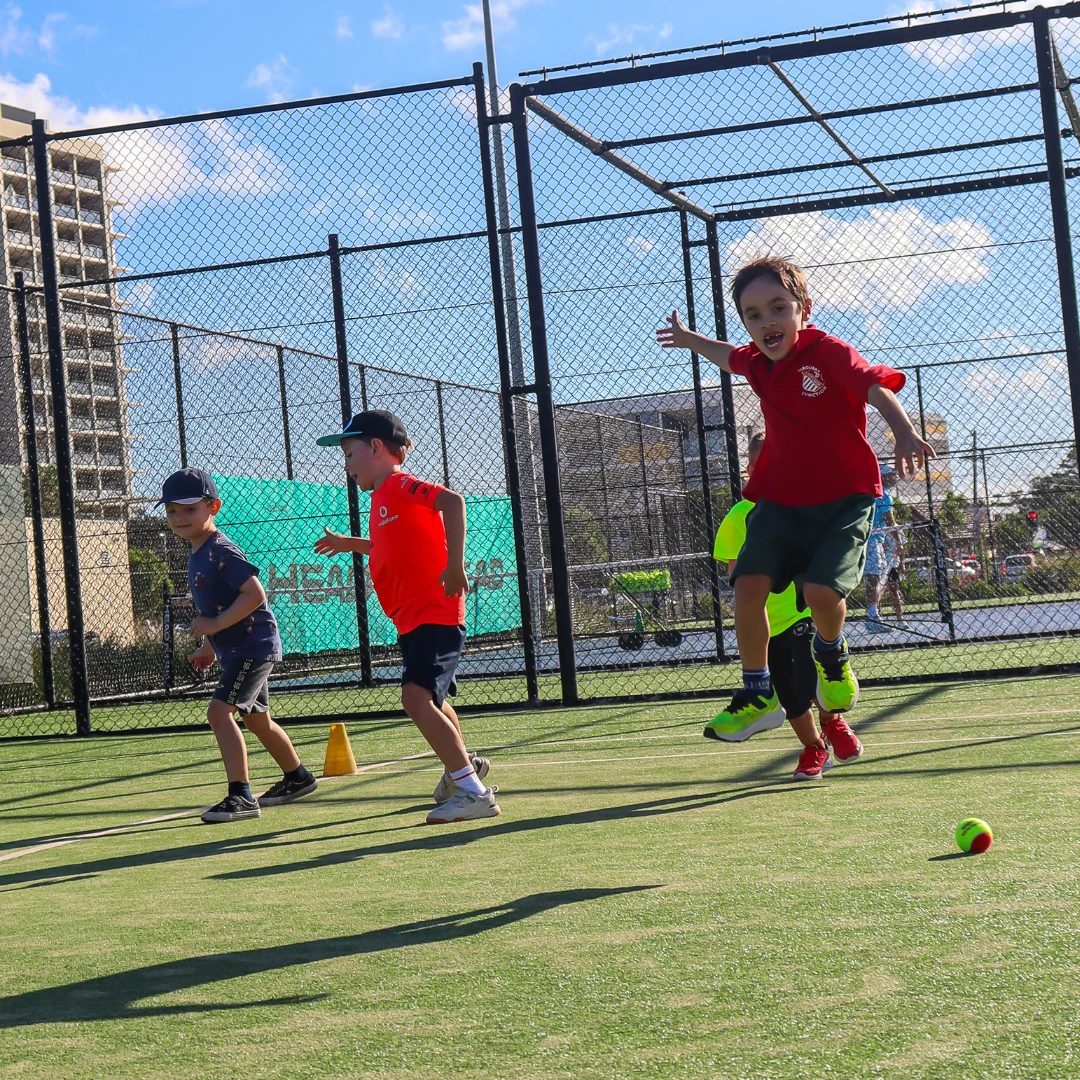
A camp day is built around coaching blocks broken up by regular breaks, not a single long unbroken session, which matters for younger kids' attention spans and everyone's energy levels over a full day. Meals and snack breaks are worked into the schedule rather than left to chance, and camps have traditionally included a BBQ lunch on the final day of the week along with an end-of-week round-robin, where every child plays a few short matches and the week wraps up with a genuinely fun, low-pressure competitive format rather than a serious tournament. Exact inclusions can vary by term, so it's worth confirming the current week's schedule when you book.
Full Day or Half Day? Choosing the Right Format
Camps are typically available as a full week (five days) or as single days, in either a full-day or half-day format, so families aren't locked into a whole week if that doesn't suit. Before care and after care are also available for an additional cost, which is worth factoring in if your normal work hours don't line up with camp start and finish times. As a rough guide:
- Full-day camp suits kids who are comfortable with a full day of structured activity and gives the most tennis time and social time with other kids across the week.
- Half-day camp works well for younger children, kids newer to structured group activity, or families who want to split holiday care between tennis and something else.
- Single days (full or half) are a good option if you only need coverage for part of a week, or want to trial a camp before committing to a full week next holidays.
Current pricing for each format, and which weeks before/after care is available, are listed on the Mutch Park school holiday camp page, since these can change between school holiday periods.
The Advanced Squad Camp: For Competitive Players 12+
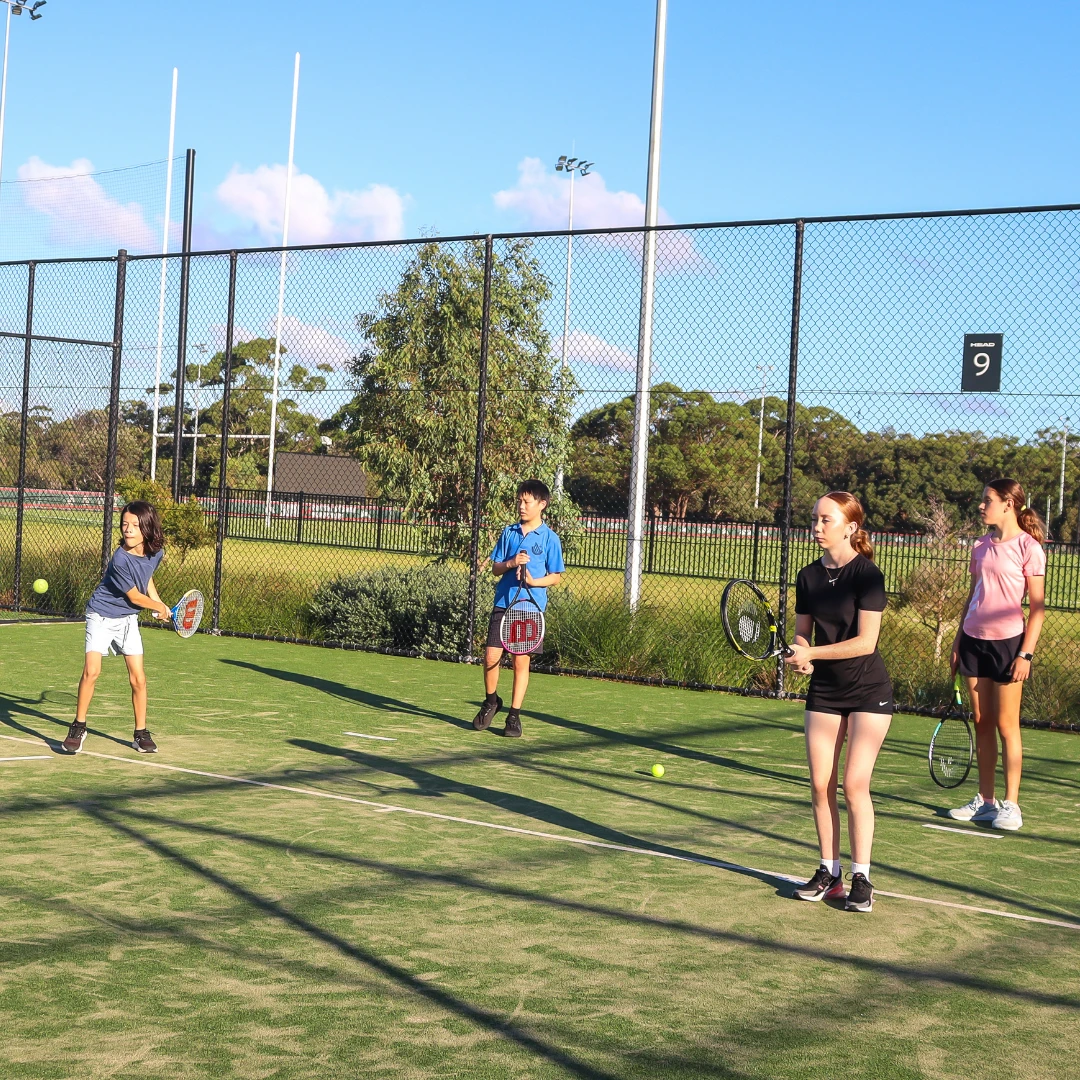
Alongside the standard camp, Mutch Park runs a separate Advanced Squad Camp aimed at squad-level players aged 12 and over who are working toward becoming stronger match competitors, not just improving technique in isolation. The week typically covers technical and tactical analysis, footwork and movement conditioning, the mental side of competitive play, and match-play drills against similarly skilled peers, led by lead coach Craig Christopher (a Level 3 elite coach with two decades of coaching experience, including professional tour exposure) alongside Michael Raymundo (25-plus years' coaching experience across national and international junior tennis). It's a genuinely different week to the standard camp, built for players who already compete regularly rather than an "advanced" label on the same content. Kids who thrive in this format often go on to test themselves in local tennis competitions around Sydney.
What to Bring
- ✓A packed lunch (and snacks for breaks, if not covered by that week's inclusions)
- ✓A water bottle
- ✓Broad-spectrum SPF50+ sunscreen, applied before drop-off
- ✓A hat that shades the face, neck and ears
- ✓Comfortable, breathable activewear and enclosed non-marking shoes
- ✓Their own racquet if they have one; otherwise one will be provided
Not sure what to look for when choosing a racquet or shoes for your child? Our kids' tennis gear guide walks through sizing and what actually matters.
Sun Protection Over a Full Day Outdoors
A single after-school lesson is one thing; a full day of school holiday camp, potentially across a full week, is meaningfully more sun exposure, especially during summer holiday periods. Cancer Council Australia's SunSmart guidance for sports groups recommends broad-spectrum, water-resistant SPF50 or 50+ sunscreen reapplied roughly every two hours during extended outdoor activity, a hat that covers the face, neck and ears, and UV-protective sunglasses where practical.1 For a full camp day rather than a single lesson, it's worth sending a spare hat and asking staff about reapplication during longer sessions, since sunscreen applied once at drop-off won't necessarily last an entire day outdoors.
What We've Seen Running Camps at Mutch Park
The most common thing we see from parents booking a first camp is worry that their child will be "the only one who's never played," and in practice that's rarely how it plays out: because coaching is grouped by stage rather than strictly by age or experience, most kids find themselves alongside others at a similar level within the first session. The kids who settle in fastest are usually the ones who've had a decent breakfast, come prepared for a full day outdoors, and aren't wearing brand-new shoes they haven't broken in yet. If you're unsure whether the standard camp or the advanced squad camp is the better fit for your child, our coaches are happy to talk it through before you book.
FAQs
What age group are Mutch Park's school holiday tennis camps for?+
The standard camp is open to children across a broad age and ability range, from beginners through more experienced junior players, grouped by stage rather than strictly by age. The separate Advanced Squad Camp is for squad-level players aged 12 and over.
Do I need to book a full week, or can I book single days?+
Both are available. Camps can be booked as a full week or as single full or half days, so you're not required to commit to the whole week if it doesn't suit your family's schedule.
What's the difference between full-day and half-day camp?+
Full-day camp runs for a complete school day and gives the most coaching and social time; half-day camp covers a shorter session and can suit younger children or families splitting holiday care across activities. Before and after care is available for both, for an additional cost.
Does my child need their own racquet?+
No. A racquet is provided if your child doesn't already have one. If they do have their own racquet that fits them properly, they're welcome to bring it.
What should I pack for a full day of camp?+
A packed lunch, snacks, a water bottle, sunscreen, a hat and comfortable activewear with non-marking shoes. See the full checklist above.
Is there an advanced option for kids who already play competitively?+
Yes. The Advanced Squad Camp is a separate program for squad-level players aged 12 and over, focused on match play, tactics and competitive conditioning rather than general skill-building.
Are Active Kids Vouchers accepted for holiday camps?+
Voucher eligibility can vary by program and by term, so it's worth confirming directly with Mutch Park or checking the current camp booking page when you enrol, rather than assuming it applies the same way it does to ongoing Hot Shots term enrolment.
What if my child has never played tennis before?+
That's genuinely common at camp, not the exception. Coaching is grouped by stage and ability rather than assuming prior experience, so a first-timer is coached at the right level alongside others in a similar position.
Next Steps
The best way to check whether standard camp or the advanced squad camp is the right fit, and to confirm current dates, pricing and inclusions for the next school holiday period, is to get in touch directly or bring your child along to a free trial lesson first if they haven't tried Mutch Park before.
Sources: (1) Cancer Council Australia / SunSmart, sun protection policies for sports groups, sunsmart.com.au/advice-for/sports-groups/sun-protection-policies-for-sports-groups. Camp structure and coach credentials sourced directly from Mutch Park's own camps and advancedcamp pages.